


Introduction
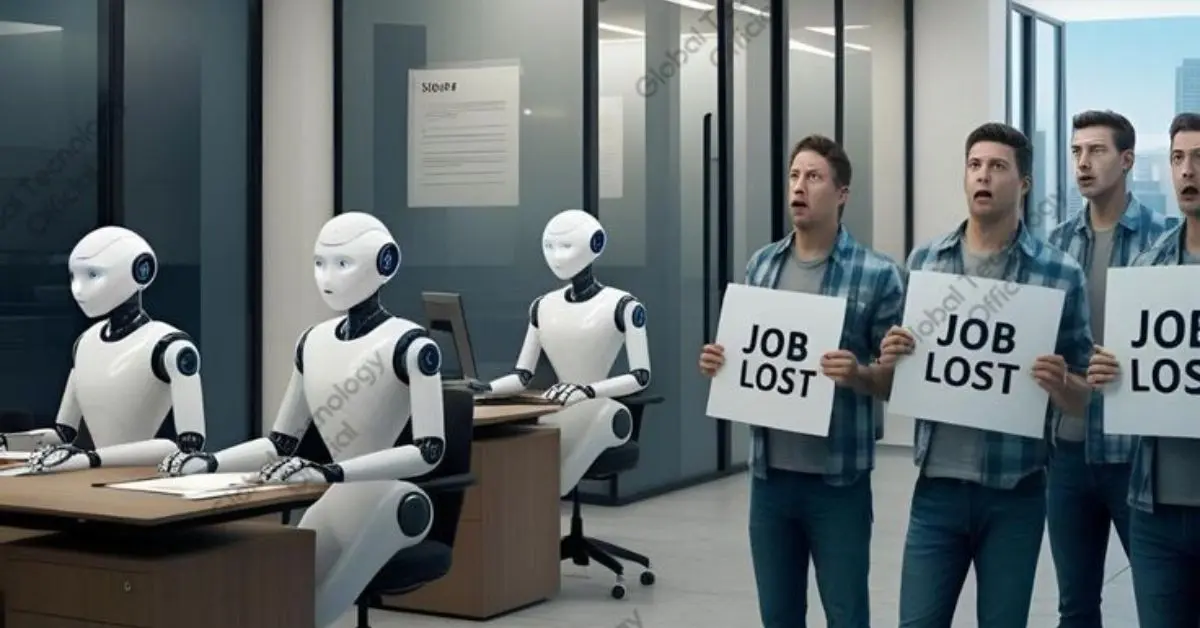
- Artificial intelligence is no longer a distant concept discussed only in science fiction or advanced research labs. It is already deeply embedded in the way modern societies function, and its influence on employment is growing faster than many people realize. From the way companies hire employees to how tasks are completed in offices, factories, hospitals, and even schools, AI is gradually reshaping the structure of work itself. For beginners and professionals alike, understanding this shift is no longer optional—it is becoming a necessary part of career planning and long-term success.
- Over the last decade, technological progress has accelerated at an extraordinary pace. What once took years to develop and implement can now be achieved in months or even weeks. Businesses are increasingly adopting AI-powered systems to automate repetitive tasks, analyze massive amounts of data, and improve decision-making. These systems are not limited to large corporations. Small businesses and startups are also using AI tools to compete more effectively in crowded markets. As a result, the traditional boundaries between human work and machine intelligence are becoming less defined.
- One of the most important changes brought by artificial intelligence is the transformation of job roles rather than just job elimination. While there is widespread concern that machines will replace humans, the reality is more complex. In many industries, AI is not replacing workers entirely but changing what their work looks like. For example, administrative professionals who once spent hours entering data manually are now using automated systems that handle much of the routine workload. This allows them to focus on communication, coordination, and problem-solving tasks that require human judgment.
- At the same time, entire industries are experiencing structural changes. Manufacturing, which has long relied on manual labor, is increasingly using robotics and automated production lines. In finance, AI algorithms are used to detect fraud, assess risks, and even assist in investment decisions. In healthcare, intelligent systems can analyze medical images, predict disease risks, and support doctors in diagnosing patients more accurately. These advancements show that AI is not confined to one sector but is influencing almost every field of employment.
- However, this transformation is not happening evenly across the world. Developed countries with advanced technological infrastructure are adopting AI at a faster rate, while developing regions are gradually catching up. This creates a global imbalance in how quickly job markets are changing. Workers in some regions may experience rapid shifts in job requirements, while others may still rely heavily on traditional methods of work. Despite these differences, the long-term direction is clear: AI will continue to expand its presence across all economies.
- Another important aspect of AI’s impact on jobs is the changing nature of skills required in the workforce. In the past, many jobs were based primarily on routine tasks that could be learned through repetition. Today, however, employers are increasingly looking for individuals who can think critically, adapt quickly, and work alongside technology. Skills such as digital literacy, data interpretation, and problem-solving are becoming essential. At the same time, soft skills like communication, teamwork, creativity, and emotional intelligence are gaining even more importance because they are difficult for machines to replicate.
- Education systems around the world are also beginning to respond to this shift. Schools, colleges, and training institutions are updating their curricula to include subjects related to technology, programming, and data science. Online learning platforms have made it easier for individuals to acquire new skills at their own pace, regardless of age or location. This democratization of education is helping more people prepare for the future of work, but it also highlights the importance of continuous learning. In an AI-driven world, learning does not end with formal education; it becomes a lifelong process.
- Despite the opportunities AI brings, there is also a sense of uncertainty among workers. Many people worry about job security and whether their current skills will remain relevant in the coming years. This concern is understandable, especially in industries where automation is progressing rapidly. However, history shows that technological revolutions often create more jobs than they eliminate. The challenge lies in transition—helping workers move from outdated roles into new ones that better align with emerging technologies.
- For businesses, AI represents both a tool for efficiency and a catalyst for innovation. Companies that successfully integrate AI into their operations often experience improved productivity, reduced costs, and faster growth. At the same time, they must also manage challenges such as ethical concerns, data privacy, and workforce adaptation. Balancing technological advancement with human values is becoming one of the most important responsibilities for modern organizations.
- On a broader scale, AI is also influencing how societies think about work itself. The traditional idea of a stable, lifelong career in a single field is gradually changing. Instead, people are more likely to move between roles, industries, and skill sets throughout their lives. Flexibility and adaptability are becoming key traits for long-term success. This shift encourages individuals to view their careers not as fixed paths but as evolving journeys shaped by continuous learning and change.
- Ultimately, the rise of artificial intelligence in the job market is not just a technological development; it is a social and economic transformation. It affects how people earn a living, how businesses operate, and how economies grow. While the changes may seem overwhelming at times, they also bring significant opportunities for those who are willing to adapt. Understanding these dynamics is the first step toward building a secure and successful future in an increasingly automated world.
What is How AI Is Changing the Future of Jobs?

- The phrase “how AI is changing the future of jobs” refers to the transformation of work caused by artificial intelligence technologies. These technologies include machine learning, robotics, natural language processing, computer vision, and predictive analytics.
- AI systems can perform tasks that traditionally required human intelligence. These include analyzing large datasets, recognizing patterns, translating languages, detecting fraud, and interacting with customers through chat systems. As a result, many industries are restructuring how work is done.
- Instead of only replacing human labor, AI often works alongside people. This combination is known as augmented intelligence. It allows employees to focus on creative thinking, emotional intelligence, and strategic decision-making while machines handle repetitive tasks.
- For example, in a modern office, AI might handle data entry and scheduling while employees focus on problem-solving and client communication. In healthcare, AI tools assist doctors by analyzing scans and suggesting possible diagnoses, but final decisions still come from medical professionals.
- This blend of human and machine collaboration is redefining what jobs look like and how organizations operate.
Why is How AI Is Changing the Future of Jobs Important?

- The impact of AI on jobs is important because it affects nearly every aspect of modern life, including employment, education, and the global economy.
- One major reason is workforce transformation. Many traditional roles are evolving, and employees must adapt to new technologies to stay relevant. Jobs that involve repetitive tasks are especially vulnerable, while roles requiring creativity, leadership, and emotional intelligence remain strong.
- Another reason is economic growth. Countries that invest heavily in AI are gaining competitive advantages in productivity and innovation. Businesses using AI can operate faster and more efficiently, leading to increased profits and global competitiveness.
- A third reason is skill development. As AI becomes more common, there is a growing demand for digital skills such as coding, data analysis, and system management. This creates new opportunities for learners and professionals willing to upgrade their abilities.
- Finally, AI is important because it influences future generations. Students entering the workforce today will likely work in environments heavily influenced by intelligent systems. Preparing early ensures better career stability and growth.
Detailed Step-by-Step Guide
Understanding how AI is changing the future of jobs becomes much easier when we break it down into clear, practical steps. Each step shows how individuals, businesses, and industries are gradually adapting to artificial intelligence and reshaping the way work is done. This section explains the transformation in a detailed and realistic way so beginners can follow along without confusion.
Step 1: Understanding How AI Enters the Workplace
- The first step is recognizing how artificial intelligence actually enters everyday work environments. AI does not usually appear as a sudden replacement for humans. Instead, it is introduced through tools, software systems, and automated processes that slowly become part of daily operations.
- For example, many companies now use AI-powered email filters, scheduling assistants, customer service chat systems, and data management tools. These systems quietly handle repetitive tasks in the background. Employees may not always notice that AI is involved, but they feel its effects through faster workflows and reduced manual effort.
- In industries like retail, AI is used for inventory tracking and demand forecasting. In healthcare, it assists in managing patient records. In banking, it helps detect unusual transactions. This gradual integration is the foundation of how AI is changing job structures worldwide.
Step 2: Identifying Which Tasks Are Being Automated
The next step is understanding which parts of a job are most likely to be automated. AI is especially strong in handling repetitive, predictable, and data-heavy tasks. These include activities that follow clear rules and do not require emotional judgment.
Examples include:
- Entering data into spreadsheets
- Sorting emails and documents
- Processing invoices and payroll
- Answering basic customer queries
- Generating simple reports
Because these tasks take up a large portion of time in many jobs, automation significantly increases efficiency. However, this does not mean entire jobs disappear. Instead, job roles are being reshaped so that humans focus more on decision-making, creativity, and communication.
For instance, a customer support worker may spend less time answering routine questions and more time resolving complex issues that require empathy and critical thinking.
Step 3: Recognizing the Most Affected and Least Affected Jobs
Not all jobs are impacted equally by AI. The third step is identifying which careers are most exposed to automation and which are more resistant.
Highly affected jobs usually include roles with repetitive processes such as:
- Data entry and administrative work
- Manufacturing and assembly line jobs
- Basic accounting tasks
- Simple telemarketing and customer service
On the other hand, jobs that require emotional intelligence, creativity, leadership, and complex problem-solving are less likely to be fully automated. These include:
- Healthcare professionals like doctors and nurses
- Teachers and educators
- Creative professionals such as designers and writers
- Managers and decision-makers
This step helps workers understand where they stand and what level of risk or opportunity AI presents in their field.
Step 4: Learning New Digital and Human Skills
Once individuals understand how AI affects their job roles, the next step is skill development. In the modern job market, combining technical and soft skills is extremely important.
Technical skills include:
- Basic understanding of AI tools
- Data analysis and interpretation
- Digital marketing and automation tools
- Programming and software usage
Soft skills include:
- Communication and teamwork
- Adaptability to change
- Critical thinking and problem-solving
- Creativity and innovation
Employers increasingly prefer individuals who can work alongside AI systems rather than compete against them. This means learning how to use AI tools effectively is becoming just as important as traditional job experience.
Step 5: Adapting to Human-AI Collaboration
- The fifth step is learning how to work with AI instead of resisting it. In most modern workplaces, AI is not replacing humans completely but acting as a supportive tool.
- For example, in marketing, AI can analyze customer behavior while humans design strategies based on insights. In finance, AI can detect patterns while analysts make final decisions. In education, AI can personalize learning materials while teachers guide students emotionally and intellectually.
- This collaboration between humans and machines is known as augmented work. It allows employees to become more productive and focus on higher-value tasks.
- Workers who adapt to this model often find that their productivity increases and their job becomes more meaningful.
Step 6: Exploring Emerging Career Opportunities
The final step is recognizing that AI is not only removing certain tasks but also creating entirely new career paths. These new roles are growing rapidly and often did not exist a decade ago.
Examples of emerging careers include:
- AI system trainers
- Machine learning engineers
- Data scientists and analysts
- Automation specialists
- AI ethics consultants
These roles require a mix of technical knowledge and problem-solving ability. They are becoming highly valuable as companies continue to invest in AI technologies.
In addition, many traditional careers are also evolving. For example, marketers now use AI tools for campaign optimization, and healthcare professionals use AI for diagnostic support. This shows that nearly every profession is being reshaped in some way.
Benefits of How AI Is Changing the Future of Jobs
- Increased workplace productivity and efficiency
- Reduction of repetitive and boring tasks
- Creation of new and innovative job roles
- Improved decision-making through data analysis
- Faster innovation across industries
- Better customer experiences through automation
- Safer working environments in hazardous industries
Disadvantages / Risks
- Job displacement in routine-based roles
- Continuous need for skill upgrades
- Overdependence on technology systems
- Data privacy and cybersecurity concerns
- Economic inequality between skilled and unskilled workers
- Potential bias in AI decision-making systems
Common Mistakes to Avoid
- One common mistake is believing that AI will completely eliminate human jobs. In reality, it changes job roles rather than removing them entirely.
- Another mistake is ignoring the importance of upskilling. Many workers delay learning new technologies until it becomes urgent, which can limit career growth.
- Some individuals also resist technological change instead of adapting to it. This can lead to reduced opportunities in an increasingly digital job market.
- Lastly, assuming that only IT professionals need AI skills is incorrect. AI is influencing all industries, including healthcare, education, and business management.
FAQs
Will AI completely replace human jobs?
No, AI will not fully replace human jobs. It will automate repetitive tasks but also create new roles that require creativity, judgment, and emotional intelligence
Which jobs are most affected by AI?
Jobs involving repetitive tasks such as data entry, basic customer support, manufacturing, and simple analysis are most affected.
What skills are important for the AI-driven future?
Important skills include critical thinking, programming, data analysis, communication, and adaptability to new tools and systems.
Can AI create new job opportunities?
Yes, AI is generating new careers such as AI engineers, automation specialists, data scientists, and AI ethics consultants.
Is AI harmful to employment?
AI can disrupt certain job sectors, but it also creates new opportunities for those willing to learn and adapt.
How can students prepare for AI-related careers?
Students should focus on STEM education, develop digital literacy, and gain hands-on experience with modern tools and technologies.
Expert Tips & Bonus Points
Experts recommend focusing on lifelong learning as the most important strategy in the AI era. Technology changes quickly, and continuous learning ensures long-term success.
Building a strong foundation in digital skills is essential, but soft skills like communication, creativity, and leadership are equally important.
Networking with professionals, joining online learning platforms, and working on real-world projects can significantly improve career opportunities.
Instead of fearing AI, it should be seen as a powerful tool that enhances human potential when used correctly.
Conclusion

Artificial intelligence is transforming the world of work in profound and lasting ways. It is not simply replacing jobs but reshaping them and creating entirely new career paths that did not exist before.
While some roles are being automated, many new opportunities are emerging in technology, data, and innovation-driven industries. The future workforce will require a balance of technical knowledge and human skills.
Adaptability is the most important quality in this new era. Those who continuously learn and embrace change will find themselves better prepared for the evolving job market.
Ultimately, the future of jobs will be defined by collaboration between humans and intelligent systems. Businesses, employees, and students who understand this shift early will have a significant advantage in building successful and sustainable careers in the years ahead.
